Ed2Go Programs

Learn more about some of the programs offered through our partnership with Ed2Go.


Medical Billing and Coding

Online student studying on laptop.

About the Program

Medical billers and coders play an important role in helping doctors get paid for the care they provide. This online program teaches you the essential skills needed for the job, including medical and legal basics, HIPAA rules, working with insurance companies, and more. You’ll learn every step of the billing process, from patient check-in to reimbursement and collections, so you’re ready for real-world work.

This program includes a certification exam voucher, so you can choose the credential that best fits your career goals. Earning certification can open more doors and lead to better pay, making this an excellent path into the growing healthcare field.

Enroll Now

What You'll Learn

Getting Certified

Certification can lead to more employment options and better pay. Certified medical records specialists make 8.5% more than non-certified colleagues, according to the AAPC 2025 Salary Survey results. Certification may also be required by state regulations, depending on where you live.

This course prepares you to sit for three medical billing and coding certifications. You can select which one is right for you after successfully completing your course:

More Information

Course Hours: 370 | Duration: 12 Month Access

Medical Terminology

  • Introduction to Medical Terminology and the Human Body in Health and Disease 
  • The Musculoskeletal System
  • The Cardiovascular System 
  • The Lymphatic and Immune Systems
  • The Respiratory System 
  • The Digestive System 
  • The Urinary System 
  • The Nervous System 
  • Special Senses: The Eyes and Ears
  • The Integumentary System
  • The Endocrine System
  • Mental Health
  • Male and Female Reproductive Systems
  • Diagnostic Procedures, Nuclear Medicine, and Complementary Medicine

Medical Billing and Coding 

  • Introduction to Medical Billing and Coding
  • Introduction to Health Insurance
  • Managed Healthcare
  • Revenue Cycle Management
  • Legal Aspects of Health Insurance and Reimbursement
  • ICD-10-CM Coding
  • CPT® Coding
  • HCPCS Level II Coding
  • ICD-10-PCS Coding (Optional Lesson)
  • Pharmacology for Coders
  • Clinical Documentation Improvement (CDI)
  • Coding with Your Codify Encoder (Optional Lesson)
  • Insurance Claims
  • Commercial Insurance
  • Blue Cross Blue Shield
  • Medicare
  • Medicaid, The Children’s Health Program (CHIP), TRICARE, and Workers’ Compensation Module
  • Certification
  • How to Find a Job in Medical Billing and Coding
Requirements

Hardware Requirements:

  • This course can be taken on either a PC, Mac, or Chromebook.


Software Requirements:

  • PC: Windows 8 or later.
  • Mac: macOS 12 or later.
  • Browser: The latest version of Google Chrome or Mozilla Firefox is preferred. Microsoft Edge is also compatible.
  • Microsoft Word or equivalent (not included with enrollment)
  • Adobe Acrobat Reader.
  • Software must be installed and fully operational before the course begins.


Other:

  • Email capabilities and access to a personal email account.


Prerequisites

There are no prerequisites to take this course. In order to sit for national certification exams, candidates must have a high school diploma or equivalent. Therefore, it is recommended you have this before enrolling in this course. Certification exams offered by AAPC and NHA are only available online to candidates located in the US. AHIMA only offers in-person exams in both the US and Globally.

Can I test-out of medical terminology content if I have previous knowledge of medical terminology?

Yes. This course includes two, optional, Test-Out Exam features that will allow you to test out of content and graded assessments if your score demonstrates the level of mastery required (80%). It does not count toward your overall score in this course if you do not achieve the minimum score required for mastery.

Please note: For Workforce Innovation and Opportunity Act (WIOA) funded students, please consult with your funding source representative before taking advantage of this course's test-out feature.


What instructional materials are included with enrollment?

The instructional materials required for this course are included in enrollment. The following digital textbook for the Medical Terminology course is accessed via links in the course lessons:

  • Comprehensive Medical Terminology for Health Professions, 1st Edition (eBook)

The following digital textbooks for Medical Billing and Coding are accessed via links in the course lessons:

  • Understanding Health Insurance: A Guide to Billing and Reimbursement, by Michelle A. Green
  • Accompanying Workbook: Understanding Health Insurance: A Guide to Billing and Reimbursement

The following textbooks will be shipped to you approximately 7-10 business days after enrollment in Medical Billing and Coding:

  • ICD-10-CM Expert for Physicians
  • CPT Professional
  • HCPCS Level II Professional

Choice of study guide/voucher package upon course completion:

  • Certified Professional Coder, CPC (AAPC): AAPC Membership, CPC Online Review Course, CPC Study Guide Bundle, Practice Exam Bundle, Practicode CPC-A Practicum, CPC Exam Voucher (2 exam attempts) and Codify Student (free upgrade to Codify Basic)
  • Certified Coding Associate, CCA (AHIMA): AHIMA Student Membership, CCA Study Guide, and CCA Exam Voucher
  • Certified Billing and Coding Specialist, CBCS (NHA): CBCS Study Guide, CBCS Practice Test, and CBCS Exam Voucher

Please note: You will receive a digital book if the physical book is on backorder.

* The course includes the current year of coding books, and you will be responsible for purchasing your updated coding books from year to year.

Enroll Now


Certified Clinical Medical Assistant (CCMA)
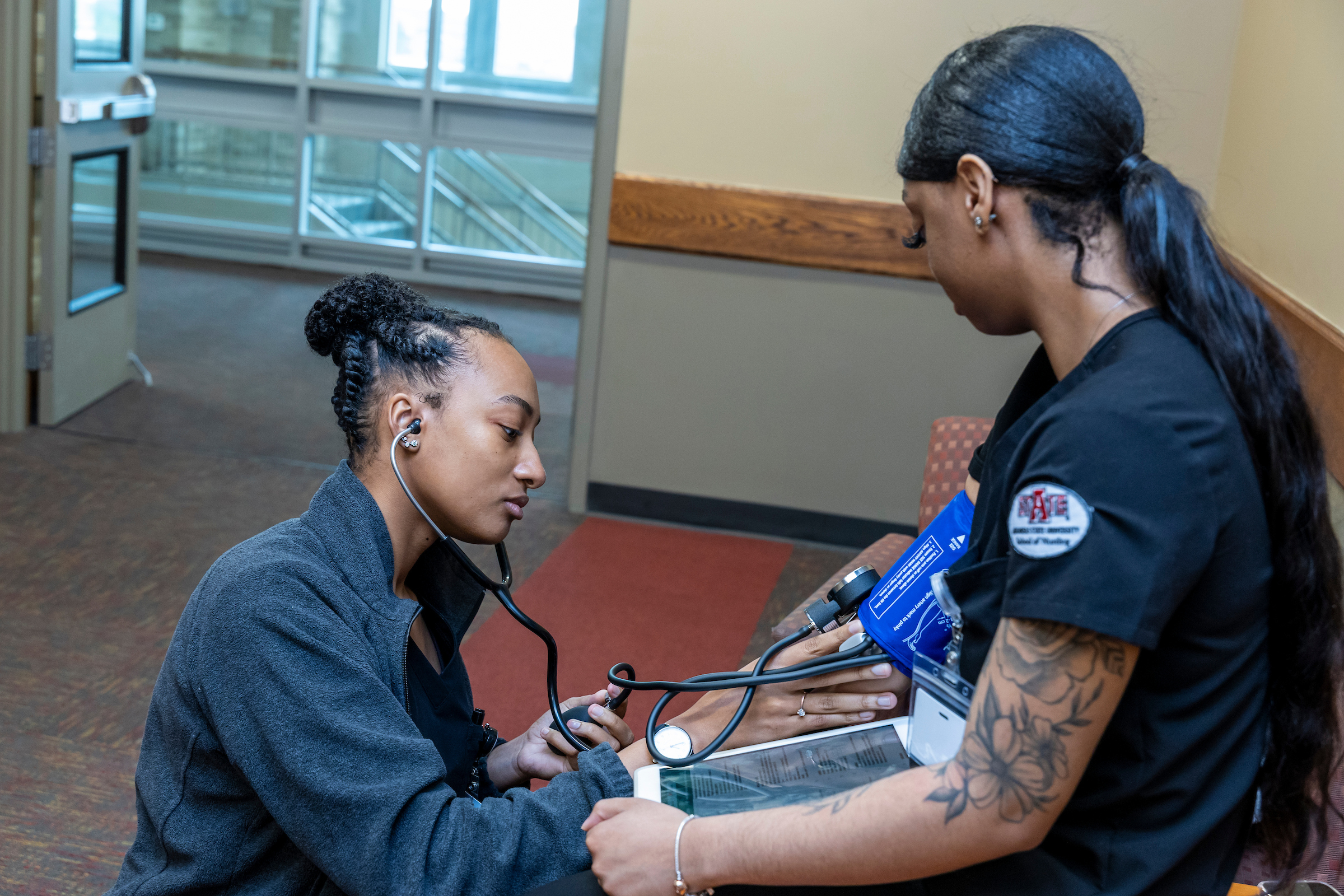
Nursing students practicing measuring blood pressure.

About the Program

Medical assistants are an essential part of the healthcare team, helping clinics and medical offices run smoothly while supporting both patients and providers. This online program teaches you the wide range of skills medical assistants use every day, including HIPAA rules, running basic lab tests, taking vital signs, and more.

After completing the medical assistant program, you’ll be prepared to take the Certified Clinical Medical Assistant (CCMA) exam through the National Healthcareer Association with no extra charge. Many employers require certification, and earning it can lead to more job opportunities and better pay.

Enroll Now

What You'll Learn

Getting Certified

After successfully completing the course, you will be able to take the Certified Clinical Medical Assistant (CCMA) national certification exam offered by National Healthcareer Association (NHA). The registration fee for the exam is included with this course. The Certified Clinical Medical Assistant (CCMA) is a national certification exam offered by the National Healthcareer Association (NHA), the largest allied health certification organization in the U.S., with over one million certifications awarded over more than 30 years.

An increasing number of employers now require that their medical assistants be certified. Certification shows that the medical assistant has met certain educational requirements and has committed to continuing their education going forward. According to the 2020 Industry Outlook produced by the NHA, 89% of employers require or encourage certification for medical assistants, and 63% increase pay when certification is obtained. This course includes a voucher for the cost of the CCMA certification exam at no additional cost to you.

More Information

Course Hours: 540 | Duration: 12 Month Access

Medical Terminology

  • Introduction to Medical Terminology and the Human Body in Health and Disease 
  • The Musculoskeletal System
  • The Cardiovascular System 
  • The Lymphatic and Immune Systems
  • The Respiratory System 
  • The Digestive System 
  • The Urinary System 
  • The Nervous System 
  • Special Senses: The Eyes and Ears
  • The Integumentary System
  • The Endocrine System
  • Mental Health
  • Male and Female Reproductive Systems
  • Diagnostic Procedures, Nuclear Medicine, and Complementary Medicine


Clinical Medical Assistant 

  • Medical Assisting Foundations
  • Professional Behavior
  • Legal and Ethical Issues 
  • The Art of Communicating 
  • Telecommunications, Telephone Professionalism, and Telephone Techniques 
  • Written Communications 
  • Medical Office Environment 
  • Patient Scheduling 
  • Managing Medical Records 
  • Introduction to Health Insurance 
  • Medical Coding: An Overview 
  • Patient Accounts 
  • Insurance Claims, Patient Billing, and Collections 
  • Daily Financial Practices 
  • Managing the Office 
  • Pharmacology 
  • Pathophysiology 
  • Infection Control and Medical Asepsis 
  • The Chief Complaint and Patient History 
  • Body Measurements and Vital Signs 
  • Preparing for Examinations 
  • The Complete Physical Examination (CPE) 
  • Specialty Examinations and Procedures 
  • The Physician and Office Laboratory (POL) 
  • Specimen Collection and Processing 
  • Introduction to Phlebotomy 
  • Diagnostic Testing 
  • Cardiology Procedures 
  • Diagnostic Imaging 
  • Minor Office Surgeries 
  • Medication Dosage Calculations 
  • Administering Medications 
  • Emergencies in the Medical Office 
  • First Aid Procedures and Mental Health Issues 
  • Rehabilitation 
  • Nutrition and Special Diets 
  • Certification 
  • Preparing for Your Career 
Requirements

Hardware Requirements:

  • This course can be taken on either a PC, Mac, or Chromebook.


Software Requirements:

  • PC: Windows 8 or later.
  • Mac: macOS 12 or later.
  • Browser: The latest version of Google Chrome or Mozilla Firefox is preferred. Microsoft Edge is also compatible.
  • Microsoft Word Online
  • Adobe Acrobat Reader
  • Software must be installed and fully operational before the course begins.


Other:

  • Email capabilities and access to a personal email account.


Prerequisites

There are no prerequisites to take this course. In order to sit for the national certification exam, candidates must have a high school diploma or equivalent.

Does this course meet state requirements in my state?

Students intending to work in Washington state may be required to provide or request an official transcript from the school they are enrolled with to qualify for employment as a Medical Assistant – Certified. This Certified Clinical Medical Assistant course does not meet state requirements for students intending to work in South Carolina, effective July 15th, 2026. Certification exams offered by NHA are only available online to candidates located in the US.

Please research your state's requirements by visiting your state's medical board site before enrolling to ensure this course is the right fit for you.


How do I qualify for the clinical experience?

The course includes an opportunity to participate in a clinical experience. To qualify for the clinical experience application process, students must successfully complete the online course and ensure their account balances are current (at a minimum). It is important to note that ed2go cannot guarantee placement at any clinical site, and students must take full responsibility for fulfilling their clinical requirements. However, our affiliated partnerships can increase the likelihood of finding a site that matches student needs. Students can begin researching the steps of the application process two weeks before completing courses.


Can I test-out of medical terminology content if I have previous knowledge of medical terminology?

Yes. This course includes two, optional, Test-Out Exam features that will allow you to test out of content and graded assessments if your score demonstrates the level of mastery required (80%). It does not count toward your overall score in this course if you do not achieve the minimum score required for mastery.

Please note: For Workforce Innovation and Opportunity Act (WIOA) funded students, please consult with your funding source representative before taking advantage of this course's test-out feature.


What instructional materials are included with enrollment?

The instructional materials required for this course are included in enrollment.

The following digital textbook for the Medical Terminology course is accessed via links in the course lessons:

  • Comprehensive Medical Terminology for Health Professions, 1st Edition (eBook) The following textbooks will be shipped to you approximately 7-10 business days after enrollment in the CCMA course:
  • Medical Assisting: Administrative & Clinical Competencies, by Michelle Blesi
  • Workbook to Accompany Medical Assisting: Administrative & Clinical Competencies, by Michelle Blesi

Please note: You will receive a digital book if the physical book is on backorder.


Does this course meet state requirements for becoming a certified clinical medical assistant?

Each state’s licensure or certification authority is responsible for establishing the requirements for professional licensure or certification in its state. Completing this program does not guarantee professional licensure or certification. Eligibility may also depend on factors like work experience, professional examinations, passing a background check, and other criteria. Students are encouraged to contact the appropriate state licensing authority to confirm the requirements for licensure or a certificate in the state where they live, work, or intend to live or work.

This program does not meet the educational requirements to apply for professional licensure or certification in the states of South Carolina, effective July 15th, 2026. Students intending to work in Washington state may be required to provide or request an official transcript from the school they are enrolled with to qualify for employment as a Medical Assistant – Certified.

Notice to Washington State Students - Certification & Education Requirements:

This Certified Clinical Medical Assistant (CCMA) course meets the requirements for Pathway 1B for the Medical Assistant‑Certified (MA‑C) credential under Washington State law.

To practice as a Medical Assistant‑Certified (MA‑C) in Washington, the state requires successful completion of a national certification exam (such as the NHA CCMA) and completion of Pathway 1B training requirements.

Pathway 1B Requirements:

Pathway 1B requires the training program to be accredited by an agency recognized by the U.S. Department of Education. The program must include a minimum of 720 total training hours, of which at least 160 hours must be clinical experience.

Enroll Now


Certified Paralegal

Online student studying with mug and laptop.

About the Program

Paralegals are an important part of the legal field, supporting attorneys with tasks like legal research, document drafting, and organizing case materials. This online paralegal program helps you build the skills needed to start your career while giving you hands-on experience with briefs, investigative reports, memos, and more.

When you finish the course, you’ll be prepared to take the Certified Paralegal (CP) exam offered by the National Association of Legal Assistants (NALA). Certification can help you stand out to employers and open more doors in law firms, corporate legal departments, government agencies, and beyond.

Enroll Now

What You'll Learn

How You'll Benefit

Getting Certified

Upon completion of the Certified Paralegal program, you will be prepared to sit for the Certified Paralegal exam through the National Association of Legal Assistants (NALA) upon eligibility. Please review the exam requirements prior to registering for this course. Through a partnership with NALA, you will also receive membership and access to NALA's Certified Paralegal (CP) Exam Review courses, should you choose to take the NALA CP exam.

This paralegal course offers enrollment with or without a voucher. The voucher covers the cost to sit for the Certified Paralegal exam upon eligibility. Proctor fees may apply, which are not included.

More Information

Course Hours: 225 | Duration: 12 Month Access

  • How the U.S. Legal System Really Works
  • Staying in Bounds: Ethics for Paralegals and Attorneys
  • Mastering Legal Research and the IRAC Method
  • Legal Writing That Works: Memos, Briefs, and More
  • Investigating the Facts: Interviews, Evidence, and Strategy
  • Litigation Start to Finish: How Cases Move Through the System
  • Contracts That Hold Up: What Every Paralegal Should Know
  • Injury Law in Action: Torts and Consumer Protections
  • Crime and the Courtroom: Criminal Law Essentials
  • Wills, Trusts, and Estates
  • Property Law Made Practical: Real Estate for Paralegals
  • Debt, Credit, and Bankruptcy Explained
  • Legal Tech 101: Tools Every Paralegal Must Master
  • Beyond the Courtroom: Alternative Dispute Resolution
  • Workplace Law in Action: Labor, Employment, and Compliance
  • Running the Office: Timekeeping, Billing, and Best Practices
  • Digital Law: E-Discovery and Electronic Evidence
  • Stand Out in the Field: Legal Marketing and Professional Networking
  • Crack The Exam: NALA Study Strategies That Work
  • Test Yourself: Exam Practice and Portfolio Polishing
  • Final Challenge: Knowledge Exam and Legal Writing Simulation
Requirements

Hardware Requirements:

  • This course can be taken on either a PC, Mac, or Chromebook.

Software Requirements:

  • PC: Windows 8 or later.
  • Mac: macOS 12 or later.
  • Browser: The latest version of Google Chrome or Mozilla Firefox are preferred. Microsoft Edge and Safari are also compatible.
  • Microsoft Office (not included in enrollment).
  • Adobe Acrobat Reader.
  • Software must be installed and fully operational before the course begins.

Other:

  • Email capabilities and access to a personal email account.

Instructional Material Requirements:

The instructional materials required for this course are included in enrollment and will be available online. The following digital textbooks for the Certified Paralegal course are accessed via links in the course lessons:

  • Introduction to Paralegalism: Perspectives, Problems, and Skills (eBook)
  • Paralegal Today: The Legal Team at Work (eBook)
Prerequisites

There are no prerequisites to take this course. However, you will need a high school diploma or GED equivalent to start a career as a paralegal. It is also recommended that you have basic computer skills, including proficiency in the Microsoft Office suite and fundamental keyboarding skills. A strong grasp of English grammar conventions, such as spelling, punctuation, and composition, is also recommended.

To meet the eligibility requirements to sit for the NALA Certified Paralegal exam, you must meet one of the following requirements: You must have 60 semester hours, of which at least 15 hours* (225 clock hours) are from paralegal studies or hold an associate's degree in paralegal studies, or a bachelor's degree in any field, or have five years of experience as a legal assistant under the supervision of a member of the Bar. Please review the exam requirements before enrolling in this course.

*Note: (15 semester hours = 225 clock hours) - This course is 225 hours and can be combined with 45 semester hours to meet the 60 semester hours required in option 1(e). If you do not have 45 semester hours, you will need to meet eligibility with category 2 or 3)

Certification Requirements

If you plan to pursue the National Association of Legal Assistants (NALA) Certified Paralegal (CP) credential, you must meet one of the NALA Certification Eligibility Requirements. We recommend determining eligibility before enrolling in this course. If you do not meet the eligibility requirements, this Legal Secretary course will prepare you for an entry-level legal career that can build up to the paralegal role.

NALA Certification Eligibility Requirements

You must meet one of the following requirements outlined in Categories 1, 2, or 3 at the time of filing an application form to be eligible for the CP certification exam through NALA.

1. Graduation from or completion of a paralegal program:

  • (a) approved by the American Bar Association; or
  • (b) an associate degree program in paralegal studies; or
  • (c) a post-baccalaureate certificate program in paralegal studies; or
  • (In addition to the official school transcript, a candidate must submit an original course catalog or an original letter from the school registrar or program director attesting that the program is a post-baccalaureate certificate program requiring a bachelor's degree as a prerequisite.)
  • (d) a bachelor's degree program in paralegal studies; or
  • (e) a paralegal program that consists of a minimum of 60 semester hours (or equivalent quarter hours) of which at least 15 semester hours (or equivalent quarter hours) are substantive legal courses.

(Candidates applying under Category 1(e) may combine college hours from more than one institution. The candidate must have graduated from a paralegal program consisting of a minimum of 15 semester hours (or 225 clock hours or 22.5 quarter hours.) Evidence of the minimum hours required under Category 1(e) must be provided with the application form.)

2. A bachelor's degree in any field plus one year of experience as a paralegal or successful completion of at least 15 semester hours (or equivalent quarter hours) of substantive paralegal courses.

(Those applying under the provision allowing for additional course work in lieu of the one-year work experience must submit an official school transcript showing completed course work.)

3. A high school diploma or equivalent, plus five (5) years of experience as a paralegal plus a minimum of twenty (20) hours of substantive continuing legal education completed within the two-year period prior to application for the examination. Evidence of substantive continuing legal education credit is documented by the supervising attorney/employer attestation that must be signed as part of the application form or by submitting certificates of completions for CLE taken. No further documentation is required.

(Candidates applying under Category 3 may combine on-the-job experience from more than one employer, as applicable. Evidence of continuing legal education credit is documented by the attorney/employer attestation that must be signed as part of the application form or by submitting certificate of completions of CLE taken. No further documentation is required.)

What is the average salary of a paralegal?

Paralegal salaries can vary by source and location. For example, Zippia reports an average annual salary of $69,883, while the U.S. Bureau of Labor Statistics lists a median wage of $61,010 (May 2024). Actual pay depends on experience, where you work, and other factors.


What is a paralegal? What does a paralegal do?

A paralegal is a legal support specialist who performs substantive legal tasks under the supervision of a licensed attorney. They help lawyers be more efficient by handling research, drafting documents, organizing case materials, communication tasks, and assisting with legal procedures. They help keep legal matters moving efficiently but cannot give legal advice or represent clients in court.


What is the difference between a legal secretary and a paralegal?

A legal secretary handles administrative tasks that keep a law office running, while a certified paralegal performs substantive legal work—research, drafting, analysis—under attorney supervision.


Does this course prepare you for a certification?

Yes, you will be prepared to sit for the Certified Paralegal exam through the National Association of Legal Assistants (NALA).


When can I start the course?

This course is open enrollment, so you can register and start the course as soon as you are ready. Access to your course can take 24-48 business hours.


How long does it take to complete this course?

This course is self-paced and open enrollment, so you can start when you want and finish at your own pace. When you register, you'll receive twelve (12) months to complete the course.


What if I don't have enough time to complete my course within the time frame provided?

The time allotted for course completion has been calculated based on the number of course hours. However, if you are unable to complete the course, contact the student advising team to see what options you may have available to work out a suitable completion date. Please note that an extension fee may be charged.

Enroll Now


Pharmacy Technician

Student smilling at computer.

About the Program

Pharmacy technicians play an important role in helping pharmacists prepare medications, answer patient questions, and manage daily operations. This online training program gives you hands-on experience through interactive lab modules, where you’ll practice processing orders, identifying correct doses, and working with medication information.

Completing this course prepares you to take the Pharmacy Technician Certification Exam (PTCE) through the Pharmacy Technician Certification Board (PTCB), which is the credential required by many employers. Earning your Certified Pharmacy Technician credential gives you flexibility, since it is recognized in many states.

Enroll Now

What You'll Learn

  • A comprehensive understanding of the pharmacy technician role, including essential professional and communication skills necessary for success in a pharmacy setting
  • Pharmacy regulations and standards from regulatory agencies and professional associations to ensure patient safety, high-quality care, and proper medication handling
  • Practical knowledge of medication processing and handling procedures, including the ability to identify medication orders and read prescription forms accurately
  • Medication storage guidelines and quality assurance procedures in the pharmacy department

Getting Certified

Certification is an important first step toward a rewarding career in healthcare. Not only is it required by state regulations to become a pharmacy technician, but by receiving your certification you demonstrate to prospective employers your knowledge and commitment in medication safety and effective patient care.

This course prepares for the Pharmacy Technician Certification Exam (PTCE), offered by the Pharmacy Technician Certification Board (PTCB), which is the credential pharmacists trust. The PTCB set out to advance medication safety by credentialing technicians who are qualified to support pharmacists and patient care teams. Employers prefer, and many require, their pharmacy technicians to be PTCB CPhTs.

Upon successful completion of this course, you will be eligible to sit for the PTCE exam and prepared to earn your highly respected CPhT credential.

More Information

Course Hours: 400 | Duration: 12 Month Access

Medical Terminology

  • Introduction to Medical Terminology and the Human Body in Health and Disease 
  • The Musculoskeletal System
  • The Cardiovascular System 
  • The Lymphatic and Immune Systems
  • The Respiratory System 
  • The Digestive System 
  • The Urinary System 
  • The Nervous System 
  • Special Senses: The Eyes and Ears
  • The Integumentary System
  • The Endocrine System
  • Mental Health
  • Male and Female Reproductive Systems
  • Diagnostic Procedures, Nuclear Medicine, and Complementary Medicine


Pharmacy Technician

  • Pharmacy Practices Then and Now
  • The Pharmacy Technician
  • Pharmacy Laws and Regulations 
  • Pharmacy Ethics 
  • Controlled Substances 
  • Workplace Safety 
  • Prescription and Medication Order Requirements 
  • Sterile and Non-Sterile Compounding 
  • Pharmaceutical Calculations Part 1 
  • Pharmaceutical Calculations Part 2 
  • Pharmacology 
  • Considerations in Special Populations 
  • Pharmacology and the Nervous System 
  • Pharmacology and the Cardiovascular System 
  • Pharmacology and the Genitourinary System 
  • Pharmacology and Musculoskeletal System 
  • Pharmacology and the Respiratory System 
  • Pharmacology and the Gastrointestinal System 
  • Pharmacology and the Endocrine System 
  • Oncology 
  • Infectious Diseases 
  • Wellness, Health Promotion, and Disease Prevention 
  • Career Development (Optional Lesson) 
Requirements

Hardware Requirements:

  • This course can be taken on either a PC, Mac, or Chromebook.


Software Requirements:

  • PC: Windows 10 or later.
  • Mac: macOS 12 or later.
  • Browser: The latest version of Google Chrome or Mozilla Firefox is preferred. Microsoft Edge and Safari are also compatible.
  • Microsoft Word Online
  • Adobe Acrobat Reader
  • Software must be installed and fully operational before the course begins.


Other:

  • Email capabilities and access to a personal email account.
Instructional Materials

The instructional materials required for this course are included in enrollment. The following digital textbook for the Medical Terminology course is accessed via links in the course lessons:

  • Comprehensive Medical Terminology for Health Professions, 1st Edition (eBook)

The following textbooks will be shipped to you approximately 7-10 business days after enrollment in Pharmacy Technician and digital versions are also available via links in the course:

  • Pharmaceutical Calculations for Pharmacy Technicians A Worktext
  • Law and Ethics for Pharmacy Technicians
  • Fundamental Pharmacology for Pharmacy Technicians
  • Workbook for Fundamental Pharmacology for Pharmacy Technicians
  • The Pharmacy Technician: A Comprehensive Approach

Lab Kit

  • Pharmacy Lab Kit (only available for residents of U.S./Canada; additional information available in the FAQs section)
  • Pharmacy Technician Lab Manual (eBook only, available via links in the course)

Please note: Your Pharmacy Lab Kit will be sent separately from the rest of your materials and will be received within three months of enrollment, however, delivery times may be delayed further due to supply chain shortages. We are unable to deliver the Pharmacy Lab Kit to P.O. Boxes; you may be asked to provide an alternate shipping address for your delivery.

Prerequisites

To register for this course, you must be 18 years of age or older. You should be proficient in keyboarding (approximately 35 words per minute), have a basic understanding of a word-processing computer program (Microsoft Word is recommended), have a command of English grammar and punctuation, and have a basic understanding of high school math.

To participate in the competency activities and receive feedback from your instructor, you will need to have access to a video camera (on the phone or other device of familiarity) and be able to upload the video as an .mp4 file to the assignment pages for review. These activities are required in order to pass the course successfully.

Are there any state-specific requirements to become certified?

This pharmacy technician certification course does not meet state requirements for students intending to work in North Dakota, Utah, Virginia, Washington, and West Virginia. In addition, this course does not meet Canadian regulatory requirements and does not prepare students for the Pharmacy Examining Board of Canada (PEBC). It is designed for use within the U.S. healthcare system and may not align with licensure or certification standards in Canada.

Most states still offer employment prior to certification. This often comes with the stipulation that certification is acquired within a period of time (usually a year). During this period, you'll work as an unlicensed personnel member, clerk, or aide.

On-the-job training or Clinical Experiences are a great way to obtain the number of hours required (many states require a minimum number of hours worked before you can be registered or certified with the board). If your goal is to work in a hospital pharmacy, finding that job while you're still a student will help you reach your employment requirements, along with the educational clinical requirements.


How do I apply for the Pharmacy Technician Clinical Experience?

As a student in our Pharmacy Technician course, you'll have the opportunity to participate in our exclusive Clinical Experience, which provides a valuable advantage in today's competitive job market. Through our nationwide agreement with several pharmacies, you can gain hands-on experience and assist pharmacists with prescriptions, patient inquiries, and administrative tasks.

To qualify for the Clinical Experience, you will need to meet certain requirements, including passing a drug screening test, obtaining professional liability insurance, completing a background check and employment verification, meeting current immunization standards, and conforming with state mandates such as registration, fingerprinting, licensing, etc. Additional forms may be necessary for participation in the Clinical Experience with certain pharmacies. While we strive to find available openings, a Clinical Experience placement is not guaranteed for the Pharmacy Technician course and may take up to 12 weeks to secure.


Can I test-out of medical terminology content if I have previous knowledge of medical terminology?

Yes. This course includes two, optional, Test-Out Exam features that will allow you to test out of content and graded assessments if your score demonstrates the level of mastery required (80%). It does not count toward your overall score in this course if you do not achieve the minimum score required for mastery.

Please note: For Workforce Innovation and Opportunity Act (WIOA) funded students, please consult with your funding source representative before taking advantage of this course's test-out feature.


Does this course meet state requirements for becoming a certified pharmacy technician?

You are responsible for ensuring that the Pharmacy Technician course meets the requirements of your state. For specific information, please visit your state’s Board of Pharmacy website or view the state‑by‑state map available on the Pharmacy Technician Certification Board (PTCB) website.

PTCB credentials are intended for use within the United States, and PTCB exams are generally administered only in the U.S. Active members of the U.S. military and their spouses are the exception and may test from locations worldwide. Please note that this course does not meet Canadian regulatory requirements and does not prepare students for the Pharmacy Examining Board of Canada (PEBC).

This program does not meet the educational requirements to apply for professional licensure or certification in the states of Florida, Ohio, North Dakota, Utah, Virginia, Washington, and West Virginia.

Each state’s licensure or certification authority is responsible for establishing the requirements for professional licensure or certification in its state. Completing this program does not guarantee professional licensure or certification. Eligibility may also depend on factors like work experience, professional examinations, passing a background check, and other criteria. Students are encouraged to contact the appropriate state licensing authority to confirm the requirements for licensure or a certificate in the state where they live, work, or intend to live or work.

Enroll Now


Sterile Processing Technician

Online student studying with mug and laptop.

About the Program

Sterile processing technicians play a vital role in protecting patients by cleaning, sterilizing, and preparing the medical tools used in surgeries and other procedures. This online program teaches you every step of the sterilization process while also covering inventory management and essential infection-control practices.

Throughout the course, you’ll also learn key medical terminology and explore body systems, helping you understand how sterile techniques support patient safety. After completing the program, you’ll be able to take the Certified Registered Central Service Technician (CRCST) exam. While certification requires passing the exam and completing 400 hours of professional experience, this course includes a voucher to cover the exam fee upon eligibility.

Enroll Now

What You'll Learn

  • The sterile processor role, responsibilities, and professional skill set required in the central processing and surgical services departments
  • Identify sterile processing regulations and standards provided by regulatory agencies to ensure workplace safety and infection prevention
  • Discuss basic procedures and best practices for each phase of sterile processing, including decontamination, inspection, preparation, and sterilization of medical instruments and supplies
  • Review sterile storage considerations, guidelines, concerns, and common quality assurance procedures in the sterile processing department
  • The importance of effective communication, human relations, and personal development and how improving these skills can advance your career

Getting Certified

This certified sterile processing technician course prepares you for the Certified Registered Central Service Technician (CRCST) certification offered by the Healthcare Sterile Processing Association (HSPA). The CRCST certification program is designed to recognize entry-level and existing technicians who have demonstrated the experience, knowledge and skills necessary to provide competent services as an SP technician.

In addition to passing the certification exam, 400 hours of hands-on experience are required in order to obtain CRCST status. This course includes an exam voucher, which is prepaid access to sit for the CRCST certification exam upon eligibility.

More Information

Course Hours: 190 | Duration: 12 Month Access

Medical Terminology

  • Introduction to Medical Terminology and the Human Body in Health and Disease 
  • The Musculoskeletal System
  • The Cardiovascular System 
  • The Lymphatic and Immune Systems
  • The Respiratory System 
  • The Digestive System 
  • The Urinary System 
  • The Nervous System 
  • Special Senses: The Eyes and Ears
  • The Integumentary System
  • The Endocrine System
  • Mental Health
  • Male and Female Reproductive Systems
  • Diagnostic Procedures, Nuclear Medicine, and Complementary Medicine


Sterile Processing Technician

  • Introduction
  • Infection Control, Standards, and Regulations 
  • Decontamination and Workplace Safety 
  • Disinfection Process and Complex Instrumentation 
  • Tray Assembly 
  • Prep and Pack 
  • Introduction to Sterilization 
  • Introduction to Low-Temperature Sterilization 
  • Instrumentation Identification Part 1 
  • Instrumentation Identification Part 2 
  • Case Cart Introduction 
  • Sterile Storage 
  • Managing Inventory 
  • Ancillary Department Support 
  • Important Components for a Successful Career 
  • Wrapping Up and Preparing for Your Exam 
Requirements

Hardware Requirements:

  • This course can be taken on either a PC, Mac, or Chromebook (with some ability for storage).

Software Requirements:

  • PC: Windows 8 or later.
  • Mac: macOS 12 or later.
  • Browser: The latest version of Google Chrome or Mozilla Firefox is preferred. Microsoft Edge and Safari are also compatible.
  • Microsoft Word Online (optional)
  • Adobe Acrobat Reader
  • Software must be installed and fully operational before the course begins.

Other:

  • Email capabilities and access to a personal email account.
Instructional Materials

The instructional materials required for this course are included in enrollment. The following digital textbook for the Medical Terminology course is accessed via links in the course lessons:

  • Comprehensive Medical Terminology for Health Professions, 1st Edition (eBook)

The following will be shipped to you approximately 7-10 business days after enrollment in Sterile Processing Technician:

  • Sterile Processing Book Set, 9th Edition, comprised of the Sterile Processing Technical Manual, 9th Edition, and the Sterile Processing Workbook, 9th Edition, by HSPA (formerly IAHCSMM)

The following digital textbook for the Sterile Processing Technician course is accessed via links in the course lessons:

  • Surgical Instrumentation (eBook)

The following materials will be shipped to you once the Release Agreement has been signed and returned:

  • Surgical Instrumentation Kit (includes 10 items, intended for practice purposes only)
Prerequisites

There are no prerequisites to take this course. In order to sit for the national certification exam, candidates must have a high school diploma or equivalent; it is recommended that you have this before enrolling in this program.

How do I qualify for the clinical experience?

The course includes an opportunity to participate in a clinical experience. To qualify for the clinical experience application process, students must successfully complete the online course and ensure their account balances are current (at a minimum). It is important to note that ed2go cannot guarantee placement at any clinical site, and students must take full responsibility for fulfilling their clinical requirements. However, our affiliated partnerships can increase the likelihood of finding a site that matches student needs. Students can begin researching the steps of the application process two weeks before completing courses.


Can I test-out of medical terminology content if I have previous knowledge of medical terminology?

Yes. This course includes two, optional, Test-Out Exam features that will allow you to test out of content and graded assessments if your score demonstrates the level of mastery required (80%). It does not count toward your overall score in this course if you do not achieve the minimum score required for mastery.

Please note: For Workforce Innovation and Opportunity Act (WIOA) funded students, please consult with your funding source representative before taking advantage of this course's test-out feature.


Does this course meet state requirements for becoming a certified sterile processing technician?

This program is designed to meet the educational requirements to apply for professional licensure or certification in all states.

Each state’s licensure or certification authority is responsible for establishing the requirements for professional licensure or certification in its state. Completing this program does not guarantee professional licensure or certification. Eligibility may also depend on factors like work experience, professional examinations, passing a background check, and other criteria. Students are encouraged to contact the appropriate state licensing authority to confirm the requirements for licensure or a certificate in the state where they live, work, or intend to live or work.

Enroll Now